
In numbers
There are about 1.2 billion people aged between 15 and 24 in the world today, roughly one in six of us, according to the United Nations. For much of the past three decades, policy debates have discussed this generation mainly in terms of risk: unemployment, unrest, radicalisation. Young people appeared in security strategies as a problem to be contained.
In December 2015 the United Nations Security Council took a different view. Resolution 2250, adopted unanimously, was the first to recognise formally the positive role young people play in preventing conflict and building peace. It set out five areas for action: participation, protection, prevention, partnerships, and disengagement and reintegration. Its message was plain. Young people are not only affected by conflict; they can help to end it.
Women had won similar recognition fifteen years earlier. Resolution 1325, adopted on 31 October 2000, linked women for the first time to the Security Council’s peace and security agenda. It called for their full participation in decision-making, their protection from violence, their part in prevention, and attention to their needs in relief and recovery.
Why does this matter? Because the evidence suggests that inclusion is not only fair; it works. Research brought together for the UN’s 2015 Global Study on Resolution 1325 found that when women take part, a peace agreement is 20 per cent more likely to last at least two years and 35 per cent more likely to last fifteen years. These figures describe a pattern across many agreements, not a guarantee in any single case. But they point in a clear direction: peace that includes more of society tends to hold.
Despite this, women remain rare at the table. According to UN Women, only nine per cent of negotiators in 31 major peace processes between 1992 and 2011 were women.
The same logic applies to young people. A ceasefire signed by older leaders means little if the next generation feels shut out of its benefits. A school, a neighbourhood or a nation that gives young people real responsibility gives them a stake in stability.
Yet a decade after Resolution 2250, the gap between words and practice remains wide. The Secretary-General’s own reporting has pointed to structural barriers that limit young people’s participation, to violations of their rights, and to too little investment in their inclusion. Young women often face both sets of barriers at once.
What would closing that gap look like? I would suggest three shifts.
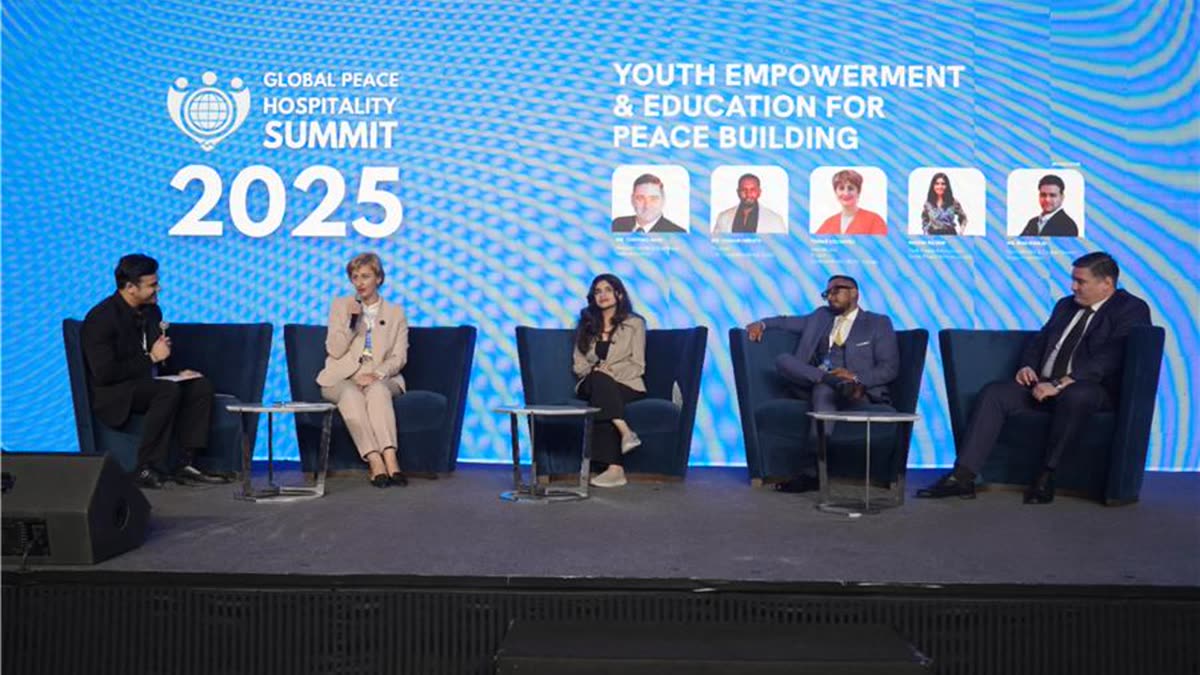
First, move from consultation to responsibility. Inviting young people to speak at a conference is a start. Giving them a role in designing and running programmes is better. The young people I have worked with across South Asia, the Gulf and Europe do not want to be decorations on a panel; they want work to do.
Second, invest in the skills that prevent conflict before it starts: listening, negotiation, mediation, and the habit of checking a claim before sharing it. These skills can be learned. They can be taught in classrooms and online, and they protect young people against those who would exploit their frustration.
Third, count what young people and women actually contribute. Too often their work in families and communities, calming a dispute, welcoming a newcomer, keeping a youth club open, goes unrecorded because it does not look like formal peacemaking. If we counted it, we would see how much peace already rests on their shoulders.
At the Global Peace Institute, London, this conviction shapes our programmes, from peace education for children to our free Online Research Internship for people aged 18 to 30, which invites young researchers to write and publish on questions of peace and security. Their voices belong in the debate.
Young people and women are not a problem that peace must solve. They are among the greatest resources peace has. The sooner our institutions act on that, the more lasting the peace we build will be.
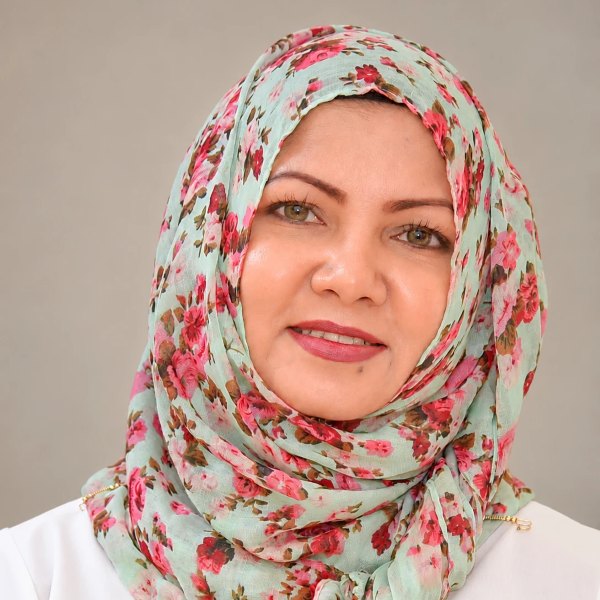
Dr. Aishath Rafiyya works on preventive peace: the geopolitics of small states, peace governance, hospitality as diplomacy, and technology and peace. The views expressed are her own.
Sources
- United Nations, Who are the youth?
- UN Security Council Resolution 2250 (2015)
- UN Peacemaker, Women, Peace and Security: Security Council resolutions
- UN Peacebuilding, The Youth, Peace and Security Agenda
- UN Women Asia and the Pacific, Conflict resolution and peacebuilding (Global Study on Resolution 1325 figures)