

In numbers
When we hear the word “hospitality” today, most of us think of hotels, airlines and tourism. It is a large and important industry. But the word is far older than the industry, and its first meaning was not commercial. It described a duty: how one human being takes care of another who arrives at the door as a stranger.
Ancient societies took that duty seriously. In the Greek world of Homer’s epics, xenia, the bond between guest and host, was sacred, and the way a person treated a stranger was a mark of their honour. In the Sanskrit tradition, the Taittiriya Upanishad teaches Atithi Devo Bhava: treat the guest as you would a god. Across the deserts of Arabia, Bedouin custom gave a traveller food and shelter for three days, because in a hard land every host might one day be a guest.
These traditions grew up separately, in very different places, yet they share one insight. Hospitality was a technology of peace. It turned a moment of danger, a stranger at the edge of the camp, into a relationship of trust. The host offered safety; the guest offered good conduct. Both left with a reason not to harm the other.
Modern research supports that ancient intuition. In 2006 the psychologists Thomas Pettigrew and Linda Tropp brought together 515 studies, involving more than 250,000 people in 38 countries, on what happens when members of different groups meet. Their conclusion was that contact between groups typically reduces prejudice, and that the effect tends to spread from the individuals met to the group as a whole. The effect is modest, and conditions matter: contact works best when people meet as equals and share a purpose. But the direction is clear. Meeting the “other” in good conditions makes hostility less likely.
That is why I believe hospitality belongs at the centre of peace work, not at its edge. Much of what we call peacebuilding happens after trust has already broken: ceasefires, negotiations, reconstruction. Hospitality works earlier. It is preventive. It builds the habits and relationships that make violence harder to start.
What does that mean in practice? I would point to three things.
First, hospitality is a public responsibility, not only a private kindness. Cities that receive students, workers and visitors from many countries decide every day whether newcomers are welcomed or merely tolerated. Schools, universities, employers and local services all act as hosts. When they do it well, they reduce the isolation and resentment on which division feeds.
Second, the hospitality industry itself can be a partner for peace. Hotels, restaurants and travel companies bring people of every background together millions of times a day. How they treat their guests, and just as importantly their own staff, sends a message about dignity. This is the thinking behind the Golden Wing of Peace® certification of the Global Peace Institute, London, which recognises hotels and service organisations for wellbeing, fairness, inclusion, compassion and harmony in the way they treat people.
Third, hospitality now has a digital dimension. Young people meet strangers online long before they meet them in person. The old rules translate well: welcome the newcomer, do not humiliate the guest, and protect those in your space from harm. An online community that keeps those rules is a more peaceful place than one that does not.
None of this is naive. Hospitality has limits, and hosts are entitled to safety too. Every tradition I have described placed obligations on the guest as well as the host. But a world that remembers hospitality as a duty, and not only a product, is a world in which strangers are less likely to become enemies.
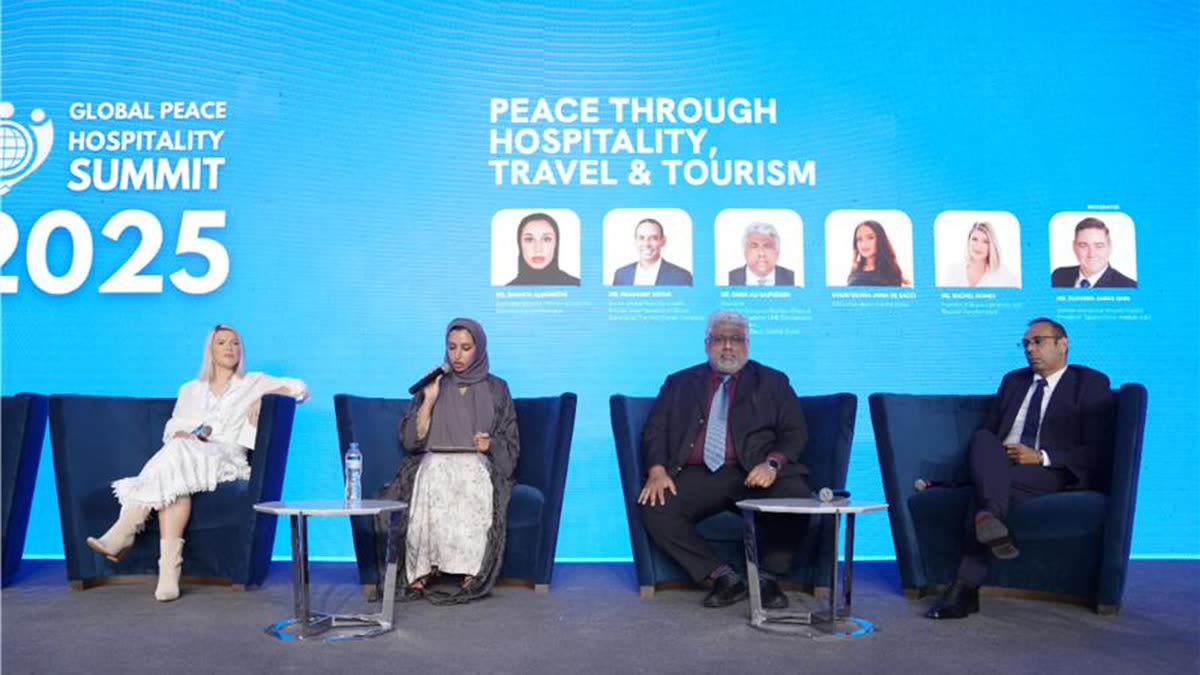
At the Global Peace Hospitality Summit, we have brought together leaders from tourism, business, education and public life to ask how the oldest peace practice can serve the newest generation. My answer is simple. Before we can resolve conflicts, we must learn again how to receive one another. Peace often begins at the door.
Dr. Aishath Rafiyya works on preventive peace: the geopolitics of small states, peace governance, hospitality as diplomacy, and technology and peace. The views expressed are her own.
Sources